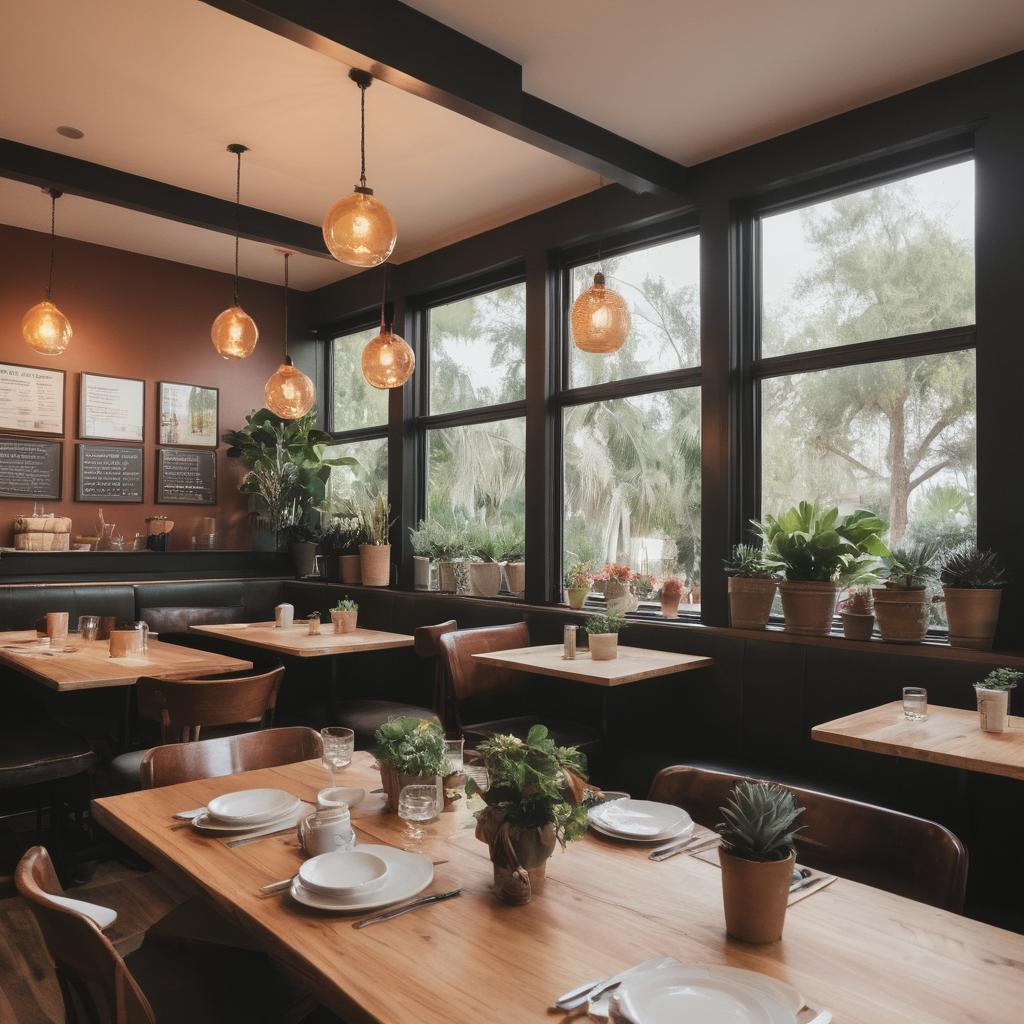
Munich - where to get good dessert & coffee - recommended places
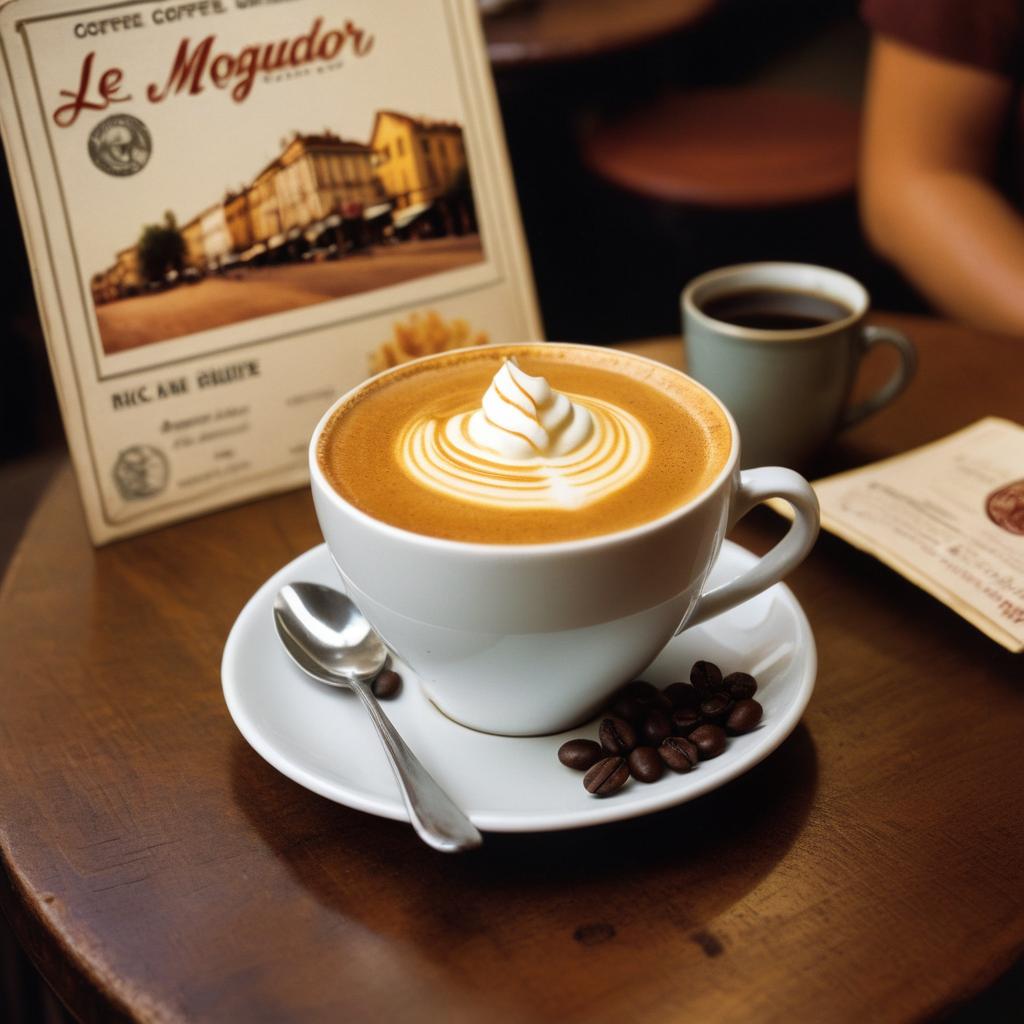
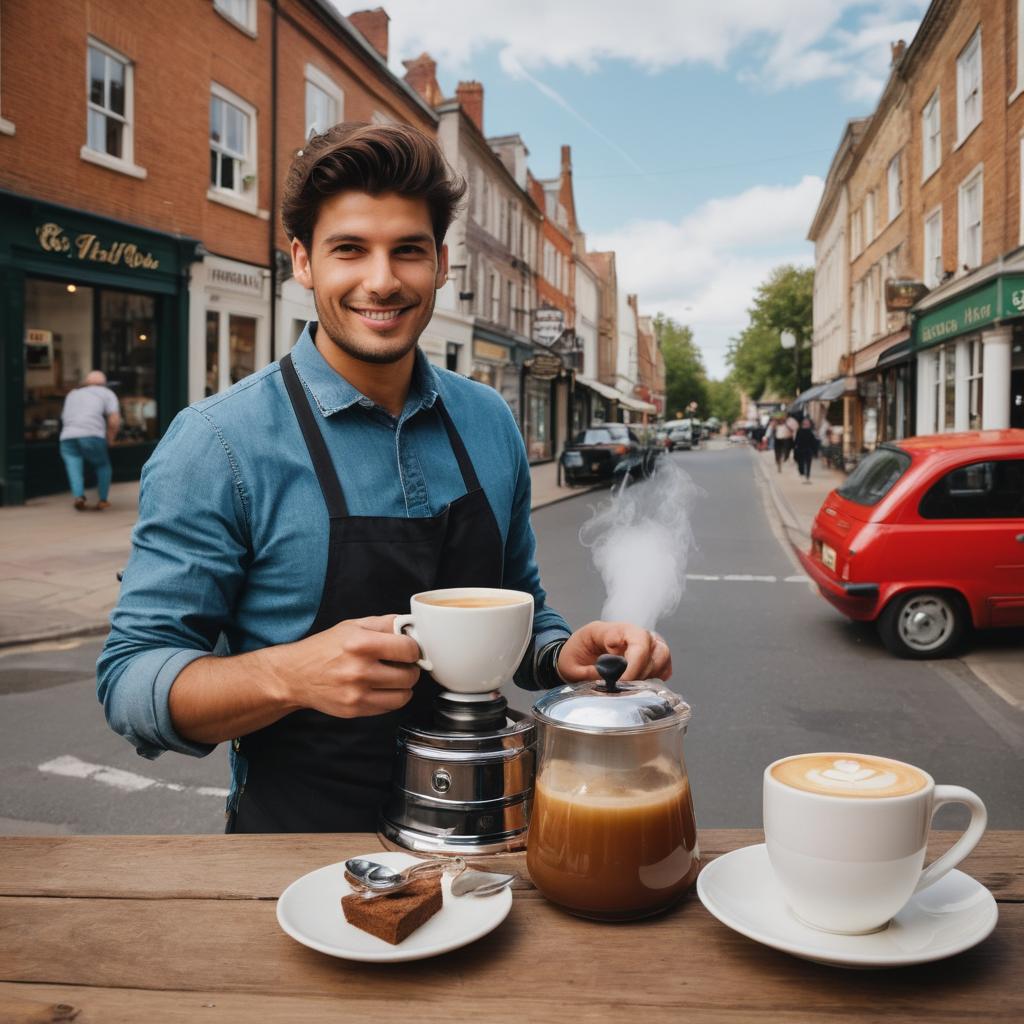
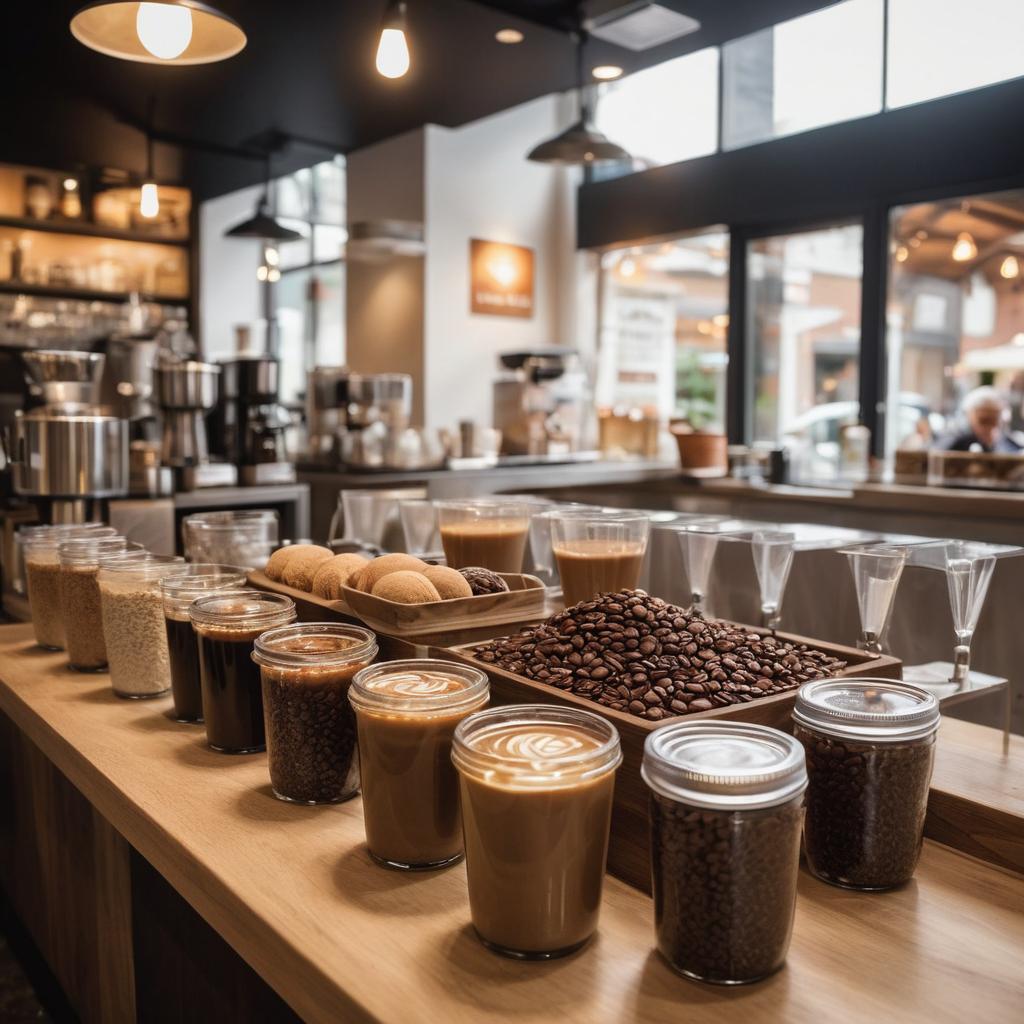
Quality mocha coffee beans from Munich
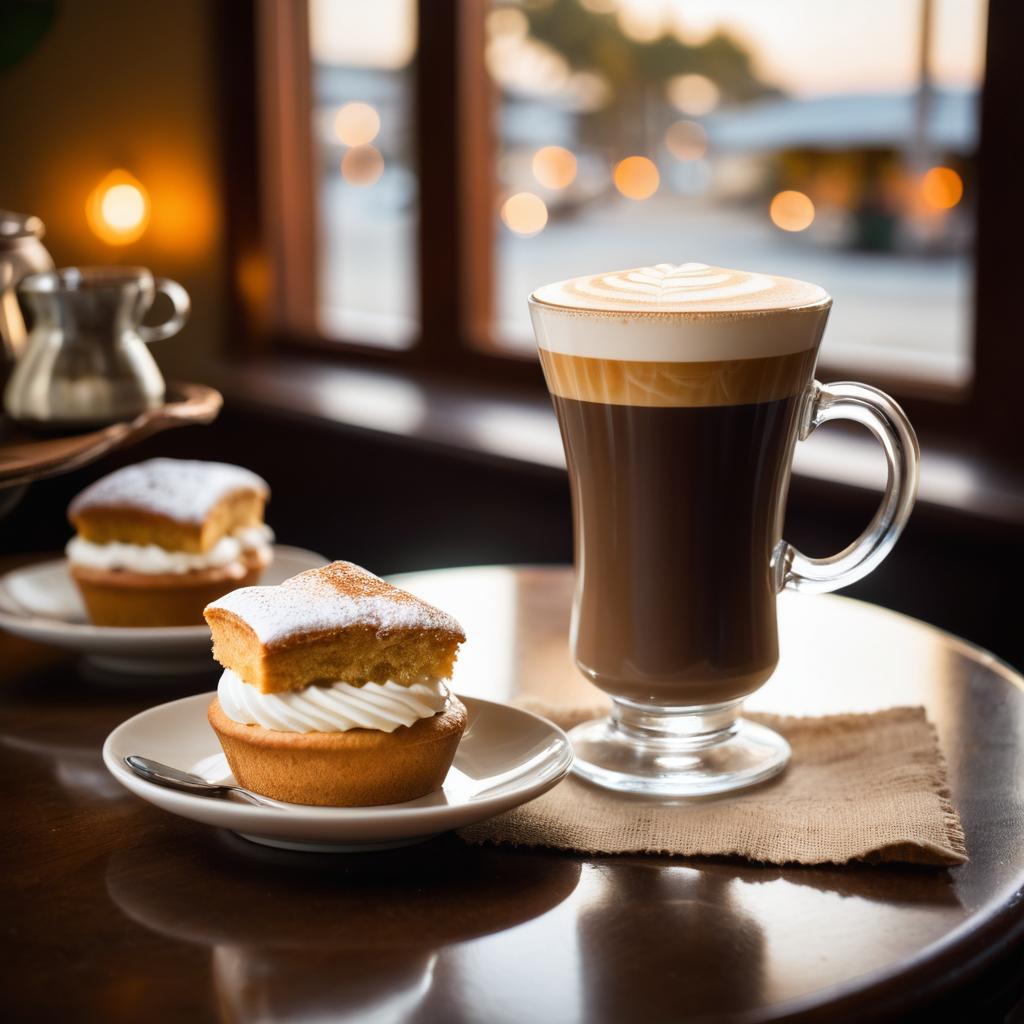
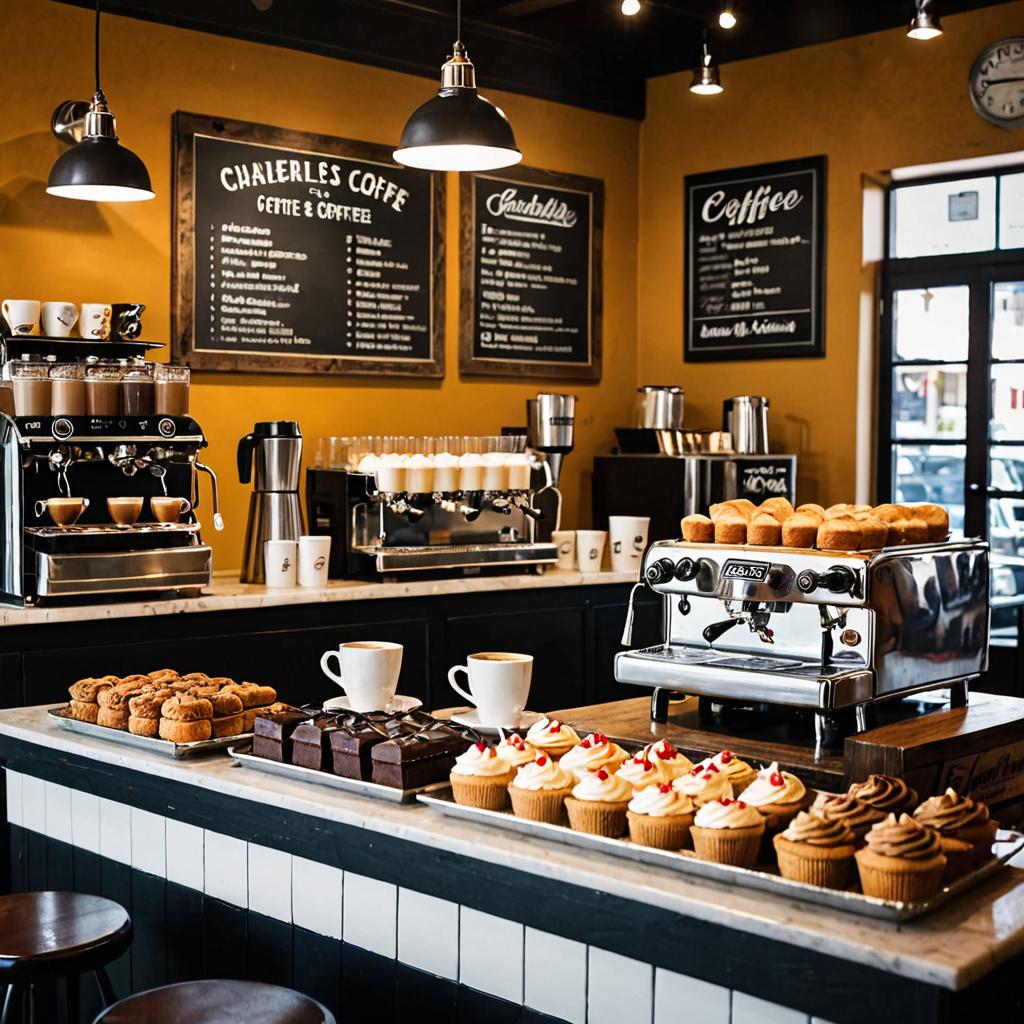
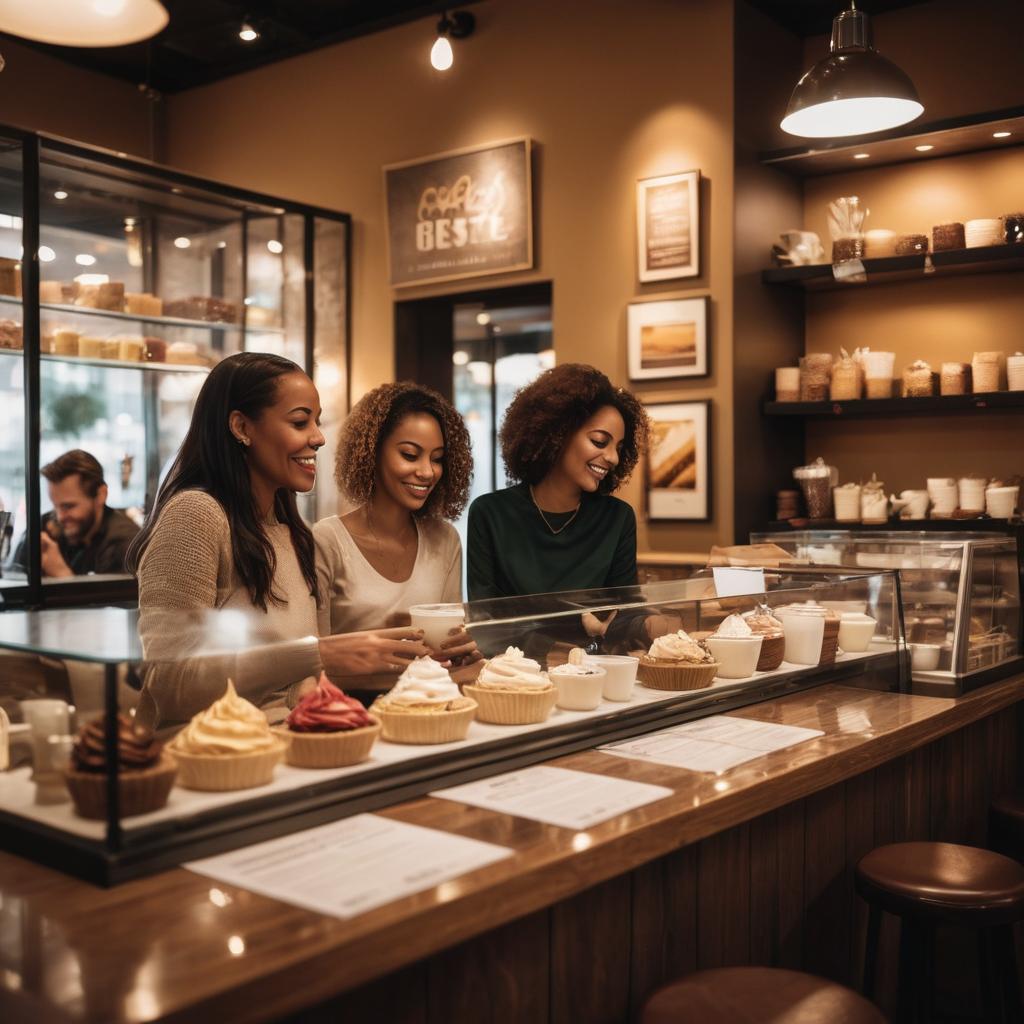
Have you every tried rhubarb pie in Chocolaterie Beluga - Viktualienmarkt 6 or ice cream cone in Segafredo ?
If yes - probably to want to try it one more time just like Kyrie Murphy in 2009.
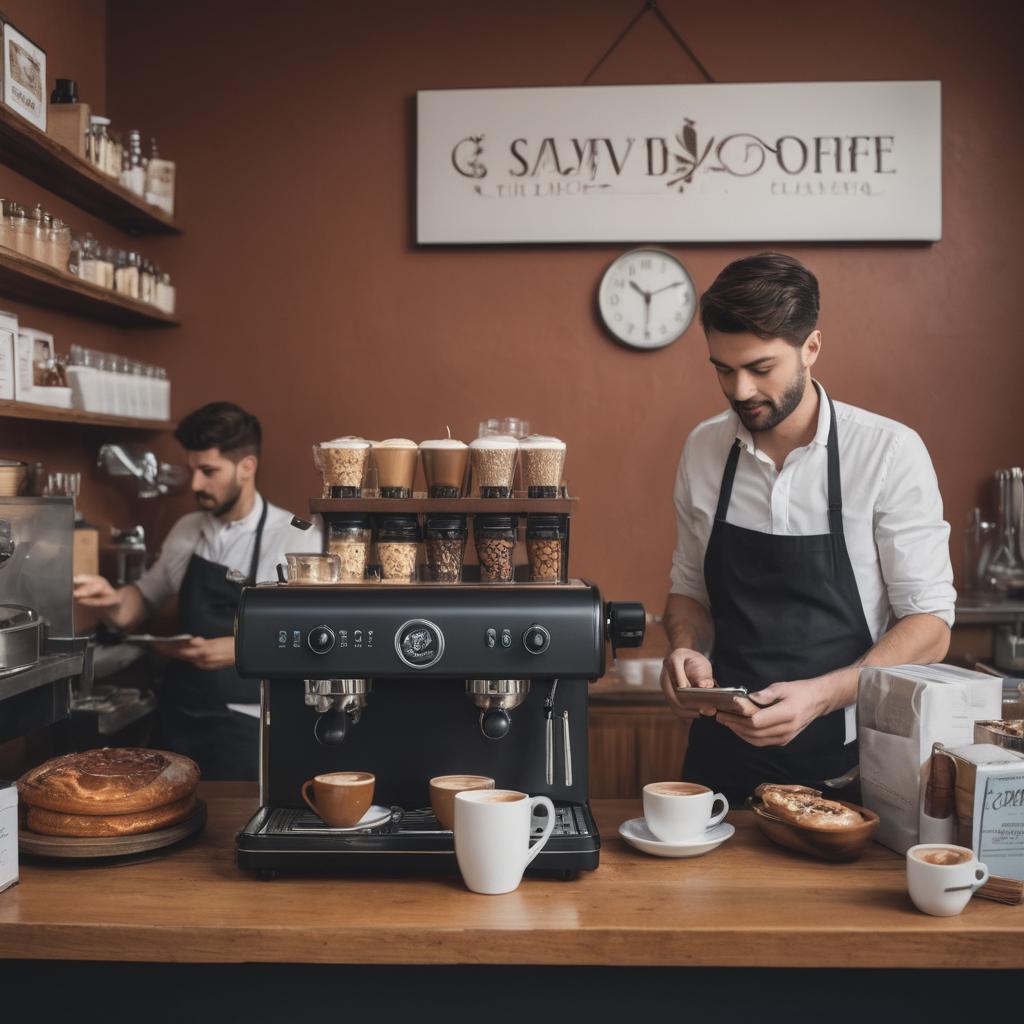
The secret of the beloved coffee is the proportion of the beans mixture like java and robusta and proper grain granulation. The following elements are essential in the proper coffee brewing:
- 1. The blend of different types of grains is a prime determinant of the taste and aroma of coffee
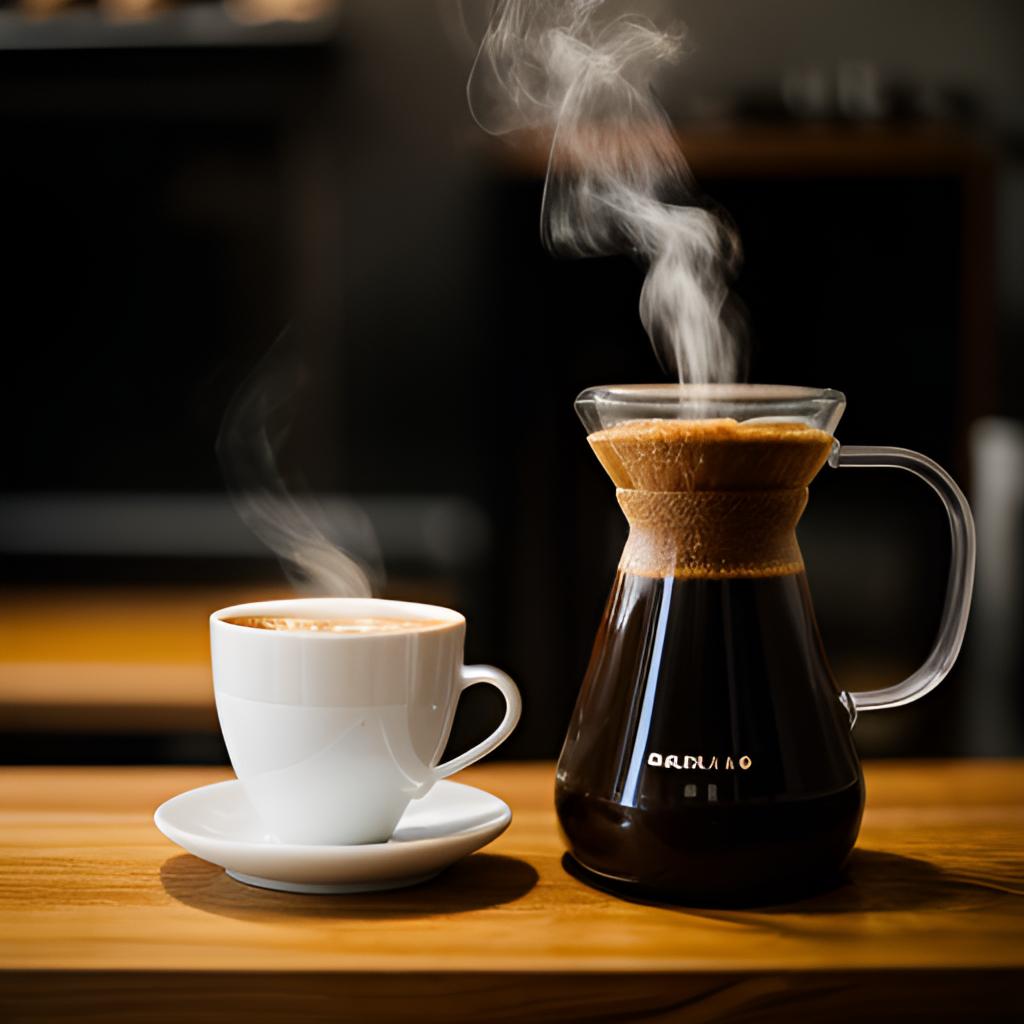
- 2. Depending on your time and budget you can choose more automatic of manual brewing devices like for example chemex.
- 3. Coffee before milling should be grinded in the mill. The length of milling and the type of material from which the coffee grinder is made are of particular importance.
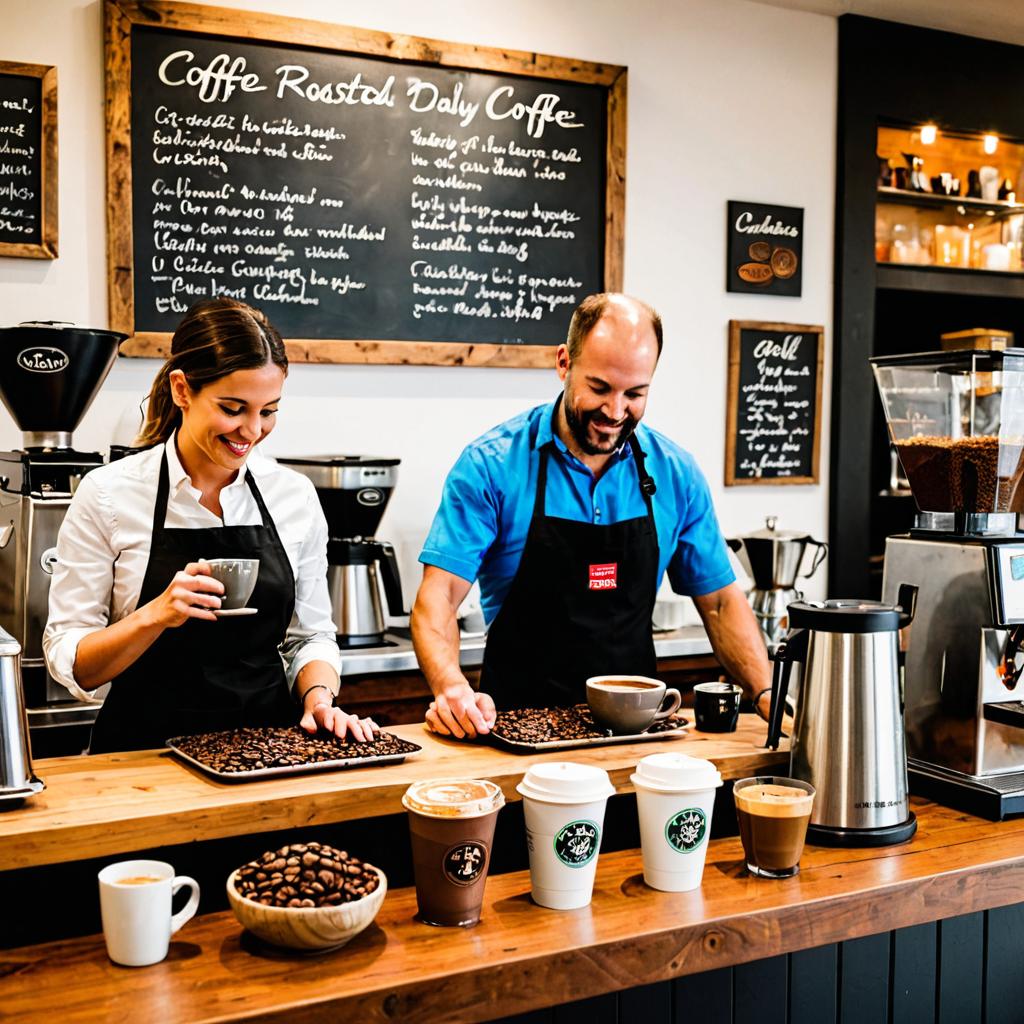
- 4. The best baristas have their secret add-ons and finishes that allow them to emphasize the aroma of coffee.
89% of the coffee consumed in Munich is Arabica and 11% is Robusta
The two most economically important varieties of coffee plant are the Arabica and the Robusta. Other types like arabusta are usually the mix of those two.
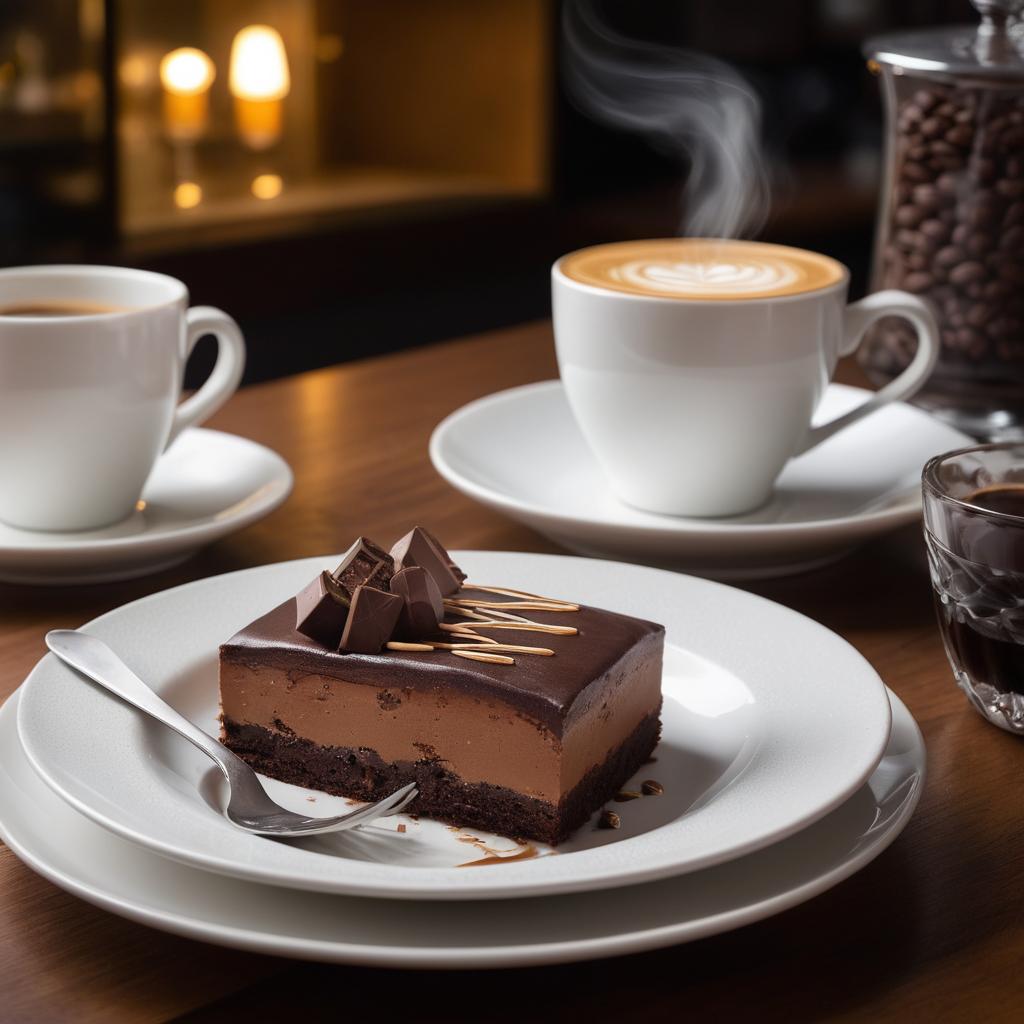
Good Coffee and dessert in Munich
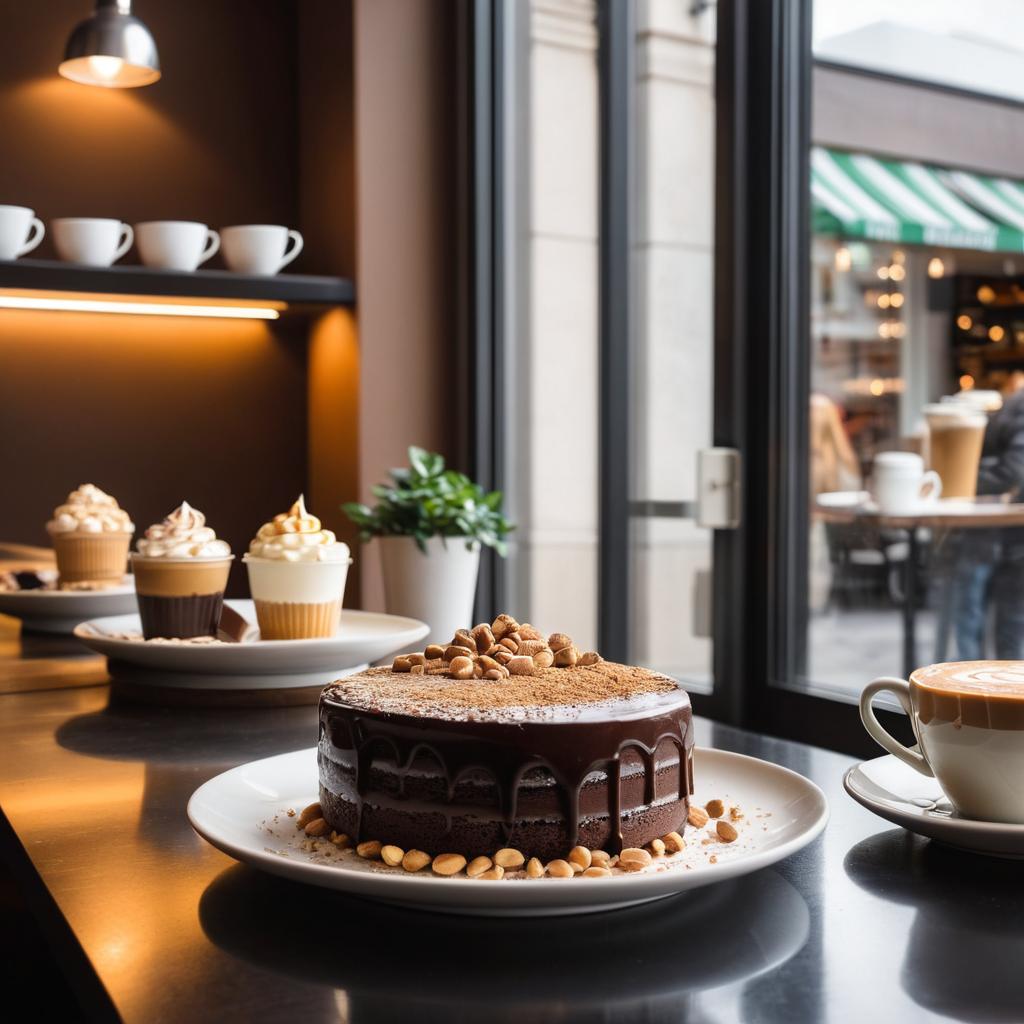
Auchen-flavor and aroma - and for Kyrie Murphy in 2011, that is about 80%.For the chocolate cake you need about 10% cacao. It may not seem like much - but that is a big difference to consider - and to the traditional coffee culture.
The traditional coffee culture says you should always get 80% of the beans mix (lauchen-flavor) - but when you do not have enough coffee in the cups in your hands, you must do something to increase that percentage.You must choose carefully which coffee beans you are going to use - and how. But there are some things you can do for sure which are very useful as an alternative and you can read about below.1.
You should not buy cocoa butter, but rather pure coffee. There are a number of companies who make chocolate butter for their customers (Coffee Shop International, Cocoa Butter, La Poca or Cocoa Butter).
You can buy cocoa butter from Amazon - or even online - for around $6/cup. (It is not quite like a coffee butter. It has nothing to do with coffee bean quality. Instead it is like the "cinnamon" in the coffee butter)2. You must use high quality cacao powder for the cacao nibs - in my opinion, only very high quality coffee is needed. (Coffee shop and other places make the stuff with a bit of "coffee" taste - it doesn't sound like a true "cocoa" nibs.)3.
You can use any coffee beans as you want. They are not the best. I have read about many people's experience with very bad tasting beans. For example in a cup (with chocolate) of dark chocolate, you would have some beans that taste like "chocolate" but there is too little of it to make it taste like chocolate. They are "chocolatey" or "too dark" - a bad recipe for great coffee.
Frequently Asked Questions:
What is the origin of the coffee beans used in our espresso drinks, and do you have any information on the growing conditions or production process for these specific beans?
The coffee beans used in espresso drinks typically come from Arabica beans, which are grown primarily in Central and South America, Africa, and Asia. However, there are many different varieties of Arabica beans, each with its unique flavor profile and growing conditions.
For example, the coffee beans used by our baristas at Starbucks are sourced from around the world, including regions such as Colombia, Ethiopia, and Sumatra. The specific growing conditions for these beans can vary greatly depending on the location, but they all require similar environmental factors to thrive, such as a warm climate, consistent rainfall, and rich volcanic soil.
The production process for coffee beans is also quite complex. Once harvested, the beans must be carefully sorted and processed to remove any impurities or defects. This often involves washing, drying, and hulling the beans to reveal the inner coffee bean. The beans are then roasted to bring out their unique flavors and aromas, which can vary based on the roast level (light, medium, dark).
Once roasted, the beans are ground to a fine consistency before being used in espresso machines. Espresso is made by forcing hot water through finely ground coffee at high pressure, resulting in a concentrated shot of coffee with a rich, creamy texture. The specific grind size and brewing technique can greatly impact the taste and quality of the final product.
What is the process for creating our signature Espresso Martini cocktail, and can you suggest alternative ingredients based on customer preferences?
Sure! Here's the process for creating our signature Espresso Martini cocktail:
Ingredients:
- 1.5 oz vodka
- 1 oz fresh espresso (cooled)
- 0.75 oz simple syrup (equal parts sugar and water, heated until sugar dissolves, then cooled)
- 0.25 oz coffee liqueur (such as Kahlúa or Tia Maria)
- Coffee beans for garnish
Instructions:
1. In a cocktail shaker filled with ice, combine the vodka, espresso, simple syrup, and coffee liqueur.
2. Shake well until chilled and frothy.
3. Strain into a chilled coupe or martini glass.
4. Garnish with coffee beans on top.
For alternative ingredients based on customer preferences, here are some suggestions:
- For customers who prefer a stronger coffee flavor, you can increase the amount of espresso or use a stronger coffee liqueur such as Stöger Coffee Liqueur.
- If the customer prefers a sweeter cocktail, you can add more simple syrup or substitute it with honey syrup (equal parts honey and water, heated until honey dissolves, then cooled).
- For customers who prefer less vodka, you can reduce the amount or replace it with another spirit such as rum or bourbon.
- If the customer is looking for a non-alcoholic option, you can make a mocktail version by replacing the vodka with coffee and using a non-alcoholic coffee liqueur like Torani Sugar-Free Caramel Syrup.
How many different types of coffee beans are used in our espresso blend, and which specific regions do they come from?
Our Espresso Blend is a proprietary recipe that we have carefully developed over time. It consists of three types of coffee beans: Colombian, Guatemalan, and Ethiopian. The Colombian beans provide a balanced body with subtle notes of chocolate and caramel. The Guatemalan beans contribute a bright acidity with hints of fruitiness, while the Ethiopian beans add a complex floral aroma with a slightly fruity taste. These beans are sourced from various regions within their respective countries, ensuring that we get the best quality beans for our blend.
How long does it take for a freshly brewed espresso to cool down to a drinkable temperature?
It typically takes around 10-20 minutes for a freshly brewed espresso to cool down to a drinkable temperature, depending on the ambient temperature and other factors such as the size of the coffee cup used. To speed up the cooling process, you can add ice cubes or pour the espresso over cold milk.
"How does our house blend, Munchner Frühling, differ from other coffee blends commonly found in Munich cafes?"
Our house blend, Munchner Frühling, is carefully crafted using a unique recipe that sets it apart from the traditional coffee blends commonly found in Munich cafes. While many cafes in Munich serve coffee blends with strong and bold flavors, our Munchner Frühling has a distinctly smooth and balanced taste profile. It features a harmonious blend of Arabica beans sourced from Central and South America, expertly roasted to bring out their rich aroma and complex flavor notes. Our commitment to using only the finest ingredients and adhering to strict quality control measures ensures that each cup of Munchner Frühling is a true delight for the senses. We invite you to try our house blend and discover why it's quickly becoming a favorite among discerning coffee enthusiasts in Munich.
Recommended places in Munich
Arnold/Werner
Cafe
Georgenstraße 71 80798 München
GPS :
48.1564251,
11.5705211
Users reviews of Arnold/Werner Munich
BaTo Café
Cafe
Heßstraße 71 80798 München
GPS :
48.1532641,
11.5609351
Users reviews of BaTo Café Munich
Backspielhaus
Cafe
Rosenheimer Platz 1 81669 München
GPS :
48.1282874,
11.5940014
Users reviews of Backspielhaus Munich
Cafe BLUe
Cafe
Implerstraße 2 81371 München
GPS :
48.1238739,
11.548284
Users reviews of Cafe BLUe Munich
Cafe Jasmin
Cafe
Hohenschwangauplatz 35a 81549 München
GPS :
48.1038177,
11.5935833
Users reviews of Cafe Jasmin Munich
Cafe Luitpold - Palmengarten
Cafe
Brienner Straße 11 80333 München
GPS :
48.1429694,
11.574757
Users reviews of Cafe Luitpold - Palmengarten Munich
Cafe Wetterstein
Cafe
Wettersteinplatz 3
GPS :
48.1094063,
11.5759824
Users reviews of Cafe Wetterstein Munich
Cafetteria Alimentari e Diversi
Cafe
Alramstraße 19 81371 München
GPS :
48.120892,
11.5452714
Users reviews of Cafetteria Alimentari e Diversi Munich
Café Ada
Cafe
Aschheimer Straße 12 81671 München
GPS :
48.1238146,
11.6127702
Users reviews of Café Ada Munich
Café Dukatz
Cafe
Sankt-Anna-Straße 11 80538 München
GPS :
48.1394643,
11.5868064
Users reviews of Café Dukatz Munich
Café Lehel
Cafe
Liebigstraße 10a 80538 München
GPS :
48.1410265,
11.5886975
Users reviews of Café Lehel Munich
Café im Hinterhof
Cafe
Sedanstraße 29 81667 München
GPS :
48.1295684,
11.5994249
Users reviews of Café im Hinterhof Munich
Coffee Fellows
Cafe
Leopoldstraße 70 80802 München
GPS :
48.1601028,
11.5860831
Users reviews of Coffee Fellows Munich
Donuts & Candies
Cafe
Georgenstraße 41 80799 München
GPS :
48.1549486,
11.5752318
Users reviews of Donuts & Candies Munich
Eiscafé Gondola
Cafe
Pariser Straße 29a 81667 München
GPS :
48.1282393,
11.5996648
Users reviews of Eiscafé Gondola Munich
Fortuna Cafébar
Cafe
Sedanstraße 18 81667 München
GPS :
48.129749,
11.598075
Users reviews of Fortuna Cafébar Munich
Fresh House
Cafe
Pariser Straße 29 81667 München
GPS :
48.1280468,
11.5994412
Users reviews of Fresh House Munich
Joon
Cafe
Theresienstraße 114 80333
GPS :
48.1509021,
11.5653552
Users reviews of Joon Munich
Kafe Kult
Cafe
Oberföhringer Straße 156 81925 München
GPS :
48.1649768,
11.6227482
Users reviews of Kafe Kult Munich
Kustermann
Cafe
Lindwurmstraße 36 80337 München
GPS :
48.1284077,
11.5556057
Users reviews of Kustermann Munich
Cafe within entire Munich region
Other stuff from Munich: